

On a Saturday afternoon in February, Tommy Bianchi was standing in line at a Scottsdale trampoline park, credit card in hand, watching his two kids sprint toward the foam pit. He had driven 40 minutes to get there. It was the kind of afternoon he’d been engineering every other weekend for three years — planned, optimized, and quietly straining his budget in ways he didn’t fully want to examine.
When I sat down with Tommy Bianchi a few weeks after that outing, he was nursing a coffee at a diner near his rental apartment in west Phoenix. He had the kind of measured calm that people develop when they’ve been exhausted for a long time. He is 46, works as an HVAC technician, and served in the U.S. Army for six years before leaving the military in his late twenties. He told me he hadn’t thought much about his veteran status in years — until recently.
The Financial Fallout Nobody Talks About
Tommy’s divorce was finalized in early 2022. He and his ex-wife had owned a home together in Tempe, and when the settlement came through, she kept the house. He left with his tools, his truck, and approximately $22,000 in credit card debt accumulated almost entirely from attorney’s fees.
He now pays $1,600 a month in child support — roughly 25 percent of his gross monthly income. Combined with rent, the credit card minimums, and his truck payment, his financial margin is thin in a way that doesn’t leave room for error.
“I put $22,000 on credit cards for the lawyer,” Tommy told me. “I’m still paying that off. Every month I look at that bill and it just reminds me of everything I lost.” He said this without self-pity, more as a statement of logistics than emotion. The anger, he told me, had largely settled into something quieter and more manageable — though it was still there.
The weekends with his kids are the emotional center of his life right now, but they also function as a financial pressure valve in reverse. He knows he overspends. He knows a trampoline park and dinner and a movie adds up to $200 or more in a single day. He does it anyway.
The Benefit He Had Earned and Never Used
Tommy said the conversation that changed his perspective started at a job site. A coworker — also a veteran — mentioned offhand that he had just closed on a house using a VA home loan. No down payment. Tommy assumed there had to be a catch, or that the benefit was only available to veterans with pristine finances. He had neither.
The VA home loan guarantee program, administered through the U, according to va.gov.S. Department of Veterans Affairs, allows eligible veterans to purchase a primary residence without a down payment in many cases. The VA doesn’t issue the loan directly — approved private lenders do — but the VA guarantees a portion of the loan, which allows lenders to offer terms that wouldn’t otherwise be available to borrowers with significant existing debt.
“I knew the VA home loan existed,” Tommy told me. “I just always thought it was for people who were more… together than me. Like you had to have your finances in order first.”
What Tommy Found Out — and What Complicated It
Tommy made an appointment with a VA-approved lender in January of this year. He brought his DD-214 discharge papers, three months of pay stubs, and what he described as “a folder of anxiety.” What he learned was both encouraging and sobering.
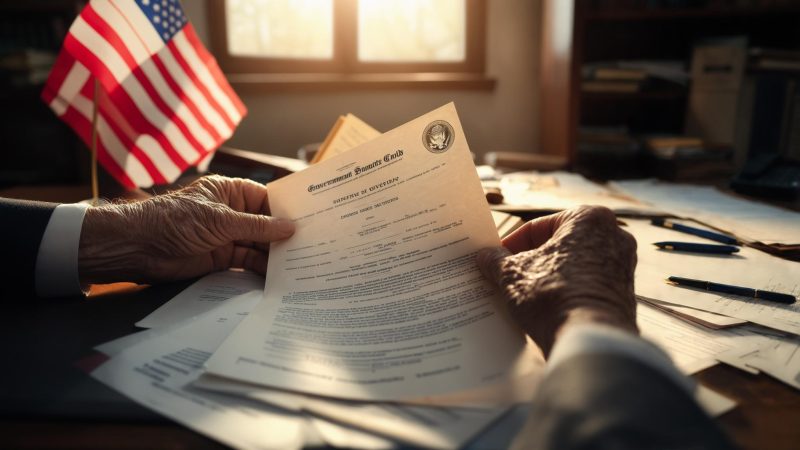
His Certificate of Eligibility — the document that confirms a veteran’s entitlement to the VA loan benefit — came back clean. He had never used the benefit before, meaning his full entitlement was intact. That part was straightforward.
The complication was his debt-to-income ratio. Between the child support, the credit card payments, and his truck loan, his monthly obligations were high enough that the lender had concerns. Child support payments count as a recurring debt obligation in VA loan underwriting, just as they would with a conventional loan. His $1,600 monthly child support payment, in particular, was flagged.
“When the loan officer told me I could potentially close with basically no down payment, I actually had to ask her to repeat it,” Tommy said. “And then she showed me the debt-to-income sheet and I kind of understood why it still wasn’t going to be easy.”
Where Things Actually Stand
Tommy left that January meeting with a plan — not a mortgage, but a plan. The lender outlined a 12-month runway: pay down approximately $8,000 of the remaining credit card balance to lower his monthly minimums, avoid taking on any new debt, and return for a formal pre-approval. That timeline puts him at early 2027 before he might realistically close on a home.
The VA loan benefit itself remains available to him. According to the VA’s benefits guidance, eligibility does not expire, and veterans retain the right to use the benefit even years after separation from service. What complicates Tommy’s path isn’t the VA — it’s the accumulated weight of the past four years.
He told me he’s trying to hold both things at once — the frustration of a delayed timeline and the recognition that this path exists at all. “I’m still angry about a lot of it,” he said. “But I can’t let that stop me from moving forward. My kids need to see me actually making a life.”
The VA’s broader benefits structure extends well beyond home loans. The department offers a range of programs for veterans and their families, including disability compensation, health care, and pension benefits for veterans who meet service and income requirements, according to va.gov. Tommy said he had never fully explored what he might qualify for — a gap that, according to reporting from WDBJ7, is common among veterans who separated from service without being formally guided through the benefits system.
The Regret He Carries About Waiting
When I asked Tommy what he wished he had done differently, he didn’t point to the divorce or the legal fees. He pointed to the years he spent not thinking of himself as someone with veteran benefits worth claiming.
“I got out and I just became a civilian,” he said. “I didn’t stay connected to any of it. I didn’t know what was available. Nobody told me to look.” He estimates that if he had known about the VA home loan benefit when he first left the Army, he might have bought a house in his early thirties — before the marriage, before the divorce, before any of this. That’s not a calculation he dwells on, but it surfaced easily when I asked.
Legislation currently being considered in Congress reflects how common this gap is. In February 2026, House Republicans introduced the Legacy Survivor and Catastrophically Disabled Veterans Benefits Expansion Bill, which among other provisions seeks to address benefit access gaps for veterans and their families, according to reporting by Stars and Stripes, according to stripes.com. Broader access and awareness have become recurring themes in veterans’ affairs oversight.
For Tommy, the path forward is unglamorous — it involves twelve months of controlled spending, credit card paydown, and resisting the pull of elaborate weekend plans he can’t quite afford. He said he was making no promises to himself about the trampoline parks. Some weekends he’ll spend the money. Some weekends he won’t.
What struck me as I drove back from that diner was how much of Tommy’s situation was shaped not by lack of resources, but by lack of information arriving at the right time. The benefit had been there for more than two decades. He just hadn’t known to reach for it until now.
Related: I almost didn’t apply for SNAP after losing my job because I assumed I wouldn’t qualify — that decision nearly cost me $835 a month in benefits
Related: People Who Skipped Filing Their 2021 Tax Return Are Actually Owed $1,400 by the IRS — but a Closing Deadline Could Wipe Out Their Claim Forever, according to americanrelief.info



Leave a Reply