

In late February 2026, Allegheny County sent out a fresh round of delinquency notices to property owners who had fallen behind on their tax obligations. For some recipients, it was a bureaucratic nudge. For Curtis Holloway, 43, it was the letter he had been dreading for almost two years.
I was introduced to Curtis by Pastor Derrick Monroe of Cornerstone Fellowship Church in Pittsburgh’s Homewood neighborhood, where Curtis has worshipped for over a decade. Pastor Monroe pulled me aside after a community outreach event last January. “There’s a man here who’s struggling and he’s too proud to tell anyone,” he said quietly. “He needs someone to listen, not judge.”
A Barbershop Built From Scratch — and a Tax Bill That Grew in the Dark
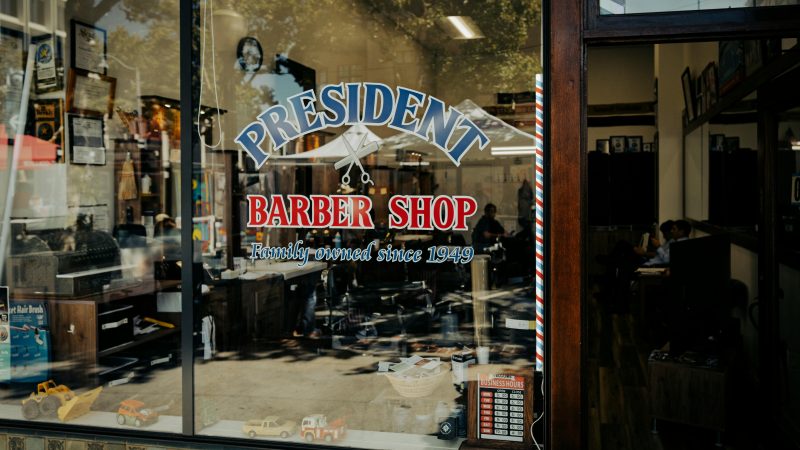
When I first sat down with Curtis Holloway at a corner table inside his shop on Penn Avenue, he kept his voice low even though we were alone. He owns the building outright — purchased in 2019 for $187,000 — and the shop itself generates roughly $96,000 a year in gross revenue. On paper, Curtis looks comfortable. In practice, he was $14,800 behind on his Allegheny County property taxes as of March 2026, with penalties accruing monthly.
“I knew it was getting bad,” Curtis told me, turning a comb over in his hands. “But every time I thought about sitting down and dealing with it, something else came up. A client. My brother’s tuition. I just kept moving.”
Curtis’s annual property tax bill on his Penn Avenue building runs approximately $5,800. He had not paid in full since 2023. Between missed quarters, late fees, and interest, the balance had compounded steadily while he focused on everything but the number on those envelopes he left unopened on his desk.
Where the Money Went: Tuition, a New Truck, and a Shop Renovation
Curtis does not have children, but he has his younger brother, Damon, 21, enrolled at the University of Pittsburgh. Curtis sends Damon between $900 and $1,100 a month to cover housing and living expenses beyond what financial aid covers. That commitment, Curtis said, is non-negotiable. “He’s going to finish. I didn’t, and I’m not letting him repeat that.”
But Curtis also admits the money didn’t disappear solely into noble causes. In early 2024, after a strong year at the shop, he leased a 2024 GMC Sierra — $687 a month. He also spent $22,000 renovating the shop’s interior, financing half of it. “The shop looked good. Business picked up more. I told myself it was an investment,” he said. “Maybe it was. But I stopped paying attention to the taxes the same time I started spending like I had more room than I did.”
That pattern — revenue rises, spending rises faster, fixed obligations quietly fall behind — is what financial researchers sometimes call lifestyle inflation. Curtis had no formal name for it. He just knew the feeling of checking his bank balance and being surprised every time.
Finding the Options: Installment Plans and the Homestead Exemption
After the February delinquency notice arrived, Curtis finally called the Allegheny County Bureau of Tax Claims. According to Allegheny County’s Bureau of Tax Claims, property owners with delinquent balances can apply for a payment agreement that spreads the owed amount over up to 36 months, provided they stay current on ongoing taxes during the repayment period.
Curtis qualified. His agreement set monthly payments of approximately $430 toward the back balance, on top of his regular quarterly taxes going forward. It wasn’t a bailout. It was a structured path out — one that required him to stop avoiding the problem entirely.
The homestead exemption on his residence won’t solve the commercial property delinquency, but Curtis told me the reduction in his home’s assessed value saves him roughly $340 annually — a small number, but one he now tracks carefully.
Where Things Stand Now — and What Curtis Wishes He Had Done Differently
As of late March 2026, Curtis is two payments into his installment plan. The sheriff’s sale risk has been paused. He still sends Damon money every month — that hasn’t changed and he says it won’t. What has changed is his willingness to open envelopes.
“I spent two years moving that stack of mail around my desk like it wasn’t real,” Curtis said, leaning back in his barber chair. “It was the most expensive thing I’ve ever done — and I didn’t spend a dollar to do it. I just didn’t look.”
The outcome here is not triumphant. Curtis still owes $14,800, now structured across three years. He ended a truck lease at a loss. His shop is still thriving, but his margin for error is thinner than it looks from the outside, and he knows it. The shame hasn’t fully lifted — he still hasn’t told his friends. But he made the call, and the call changed the trajectory.
When I left the shop that afternoon, Pastor Monroe texted me: “Did he open up?” I told him Curtis had. “Good,” he replied. “That’s the hardest part for men like him.”
He wasn’t wrong.

Leave a Reply