
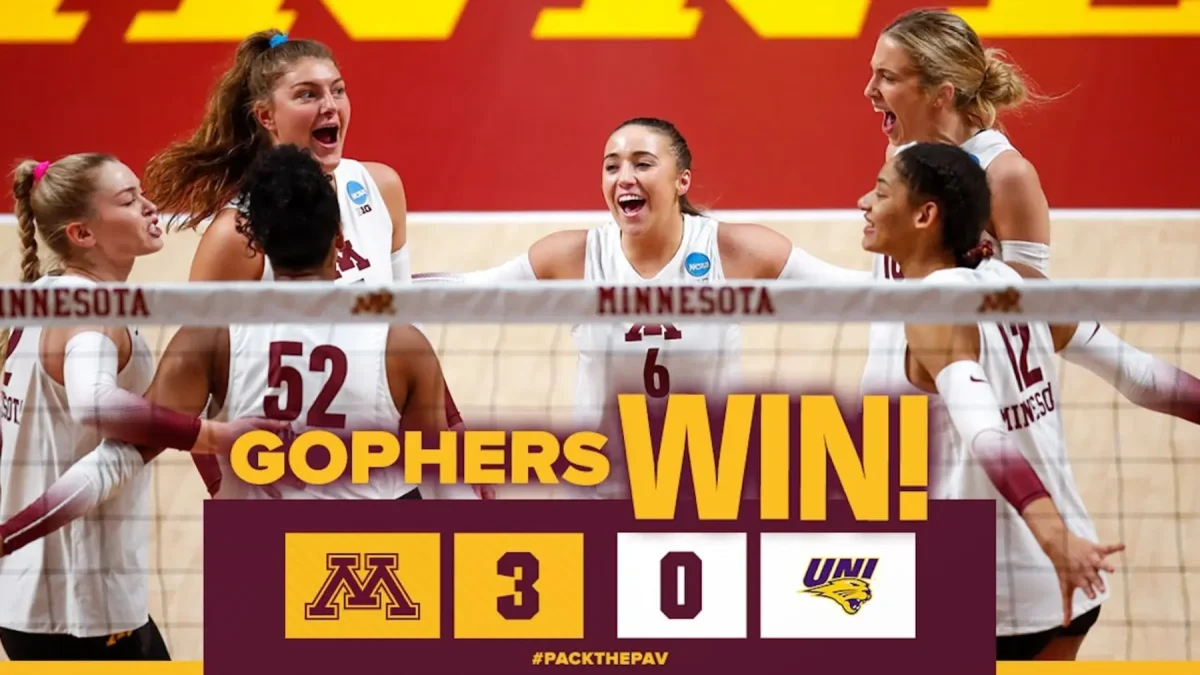
What does a loss actually cost a program, and what does it give back? That question sits at the center of every post-tournament debate, and right now it sits squarely over the Minnesota Gophers women’s basketball team.
The Gophers lost to top-seeded UCLA on March 27 in Sacramento. The season ended at 24-9. For some fans, that scoreline is the headline. For others, it barely scratches the surface of what this season meant.
Columnist Chip Scoggins of the Star Tribune framed it well: this team will be remembered for raising the bar, not for falling short of the Elite Eight. That’s a bold editorial position. It’s also a defensible one. Let’s work through both sides carefully.
The Setup: A Season That Divided Expectations
Minnesota women’s basketball reached the Sweet 16 for the first time since 2005. That’s a 21-year gap. When a program breaks a drought that long, the natural instinct is to celebrate the milestone. But sports fandom rarely works that cleanly.
One camp says: a Sweet 16 exit against a No. 1 seed is exactly what it looks like, a ceiling, not a launching pad. Another camp says: finishing 24-9 and reaching the second weekend of the NCAA Tournament is program-altering, full stop. Both camps have real arguments worth examining.
| Metric | 2004-05 Season | 2025-26 Season |
|---|---|---|
| Tournament Round Reached | Sweet 16 | Sweet 16 |
| Years Since Previous Sweet 16 | N/A (prior run) | 21 years |
| Final Record | Not specified in current data | 24-9 |
| First-Round Opponent Seed | Not specified | Faced No. 1 UCLA in Sweet 16 |
| Fan Energy | Historical benchmark | Fans ready and waiting, per reporting |
Side A: The Loss Defines the Ceiling
Critics of the “raised the bar” narrative make a straightforward argument. Reaching the Sweet 16 and losing to the No. 1 seed in the region is exactly what lower-seeded teams are supposed to do. It confirms the hierarchy rather than disrupting it.
From this perspective, the Gophers did not beat a blue-blood program. They did not pull an upset that reshapes how rivals recruit against them. They reached the second weekend and lost. Fans who watched guards Amaya Battle and Mara Braun embrace after the Sacramento defeat saw a team that ran out of road, not one that rewrote the map.
There’s also a recruiting argument embedded here. Programs that want to close the gap on UCLA, South Carolina, or UConn need Final Four appearances to shift the narrative on the recruiting trail. A Sweet 16 loss, however admirable, may not move the needle enough to land the five-star prospects that make sustained success possible.
“Reaching the Sweet 16 for the first time in 21 years is significant — but the question is whether this team built a foundation or just had a great year.” — Analytical framing from the ongoing fan debate
This side isn’t being cynical. It’s being precise. Sustainable program elevation requires repeated tournament success, not a single run.
One Sweet 16 can be an outlier. Two or three in a row becomes a trend that changes how the program is perceived nationally.
Side B: Legacy Is Built on Moments Like This
The counterargument is equally sharp. Programs don’t rebuild overnight. Minnesota women’s basketball went 21 years without reaching the Sweet 16. The drought itself is the context that makes this season significant.
Consider what this run actually produced. Fans who had never seen the Gophers in the second weekend of the NCAA Tournament got to experience it. Lindsay Whalen, the program’s most celebrated alumna, was reportedly cheering the team on during the run. That kind of symbolic continuity matters for program identity.
A 24-9 record in a competitive Big Ten season isn’t an accident. It reflects depth, coaching, and player development that didn’t exist a few years ago. Battle and Braun playing at a high level in Sacramento, even in a loss, gives younger players a standard to chase next season.
The “raised the bar” argument also leans on something less quantifiable: belief. Players who follow this class will know the program can get there. Coaches recruiting against Minnesota can no longer use “they haven’t been to the second weekend in two decades” as a talking point. That specific argument is now off the table permanently.
What the Objective Picture Actually Shows
Setting aside the emotional framing, what does the data suggest about programs that break long tournament droughts?
That said, History offers a reasonably consistent pattern. Teams that reach the Sweet 16 after extended absences tend to sustain or improve their tournament presence over the next three to five seasons, provided they retain key coaching staff and avoid significant roster attrition. The caveat is significant: roster continuity matters enormously at the college level.
For Minnesota specifically, the 24-9 record signals genuine program health, not a fluky run. Winning 24 games in the Big Ten requires consistent performance against high-level competition. That’s not a one-game miracle. It’s a season-long demonstration of competence.
The loss to UCLA also carries context. Facing a No. 1 seed in the Sweet 16 is the expected outcome for a team seeded lower in that bracket. Losing that game doesn’t diminish the accomplishment of getting there. It confirms the Gophers competed at a level that put them in that position.
- 24-9 final record, strongest in recent program history
- First Sweet 16 appearance since 2005, ending a 21-year drought
- Loss came against top-seeded UCLA, the expected favorite in that region
- Guards Amaya Battle and Mara Braun represented the program at a high level in Sacramento
- Lindsay Whalen’s visible support added cultural weight to the run
The Verdict: Scoggins Gets This Right
I’d argue the “raised the bar” framing is correct, and not just sentimentally. It’s correct because of what the alternative framing gets wrong.
Saying this season will be forgotten because the Gophers lost in the Sweet 16 requires you to believe that only Final Four appearances matter. That standard would erase most of college basketball’s meaningful progress stories. Programs build through layers, and this season added a significant layer.
The critics who want more are right to want more. Ambition is healthy. But ambition and appreciation aren’t mutually exclusive. You can acknowledge that this team did something genuinely difficult, breaking a 21-year drought and finishing 24-9, while simultaneously expecting the next group to push further.
Scoggins’s column isn’t asking fans to lower their standards. It’s asking them to recognize what standards were just established. Those are different requests.
Implications: What This Debate Means Going Forward
How Minnesota fans and media process this season will shape expectations for the next coaching cycle. If the dominant narrative becomes “Sweet 16 loss, disappointing,” the program risks setting an unrealistic baseline that makes esubsequent season feel like failure unless it reaches the Elite Eight or beyond.
If the dominant narrative becomes “we proved we can get here, now let’s stay here,” the program builds on a foundation rather than constantly resetting from zero. That psychological framing affects recruiting conversations, fan engagement, and even how players approach the next preseason.
For reference, NCAA Division I women’s basketball has seen multiple programs use a Sweet 16 breakthrough as the turning point toward sustained success. It requires follow-through, not just acknowledgment. Minnesota’s staff and returning players will determine whether this season becomes a foundation or a footnote.
The debate also matters for how the Big Ten is perceived nationally. Big Ten women’s basketball has grown significantly in national profile, and Minnesota’s run adds to that credibility. Programs within the conference benefit collectively when peers perform well in March.
Battle and Braun, whose post-game image from Sacramento became the visual symbol of this season’s end, represent exactly the kind of players a program needs to keep. Their development arc and whether they return will say more about this program’s trajectory than any single game result.
One loss doesn’t define a season. Twenty-four wins, a conference grind, and a 21-year drought ended, that’s what defines this one. Scoggins read it correctly.
The Gophers raised the bar. Now the work is staying above it.



Leave a Reply