
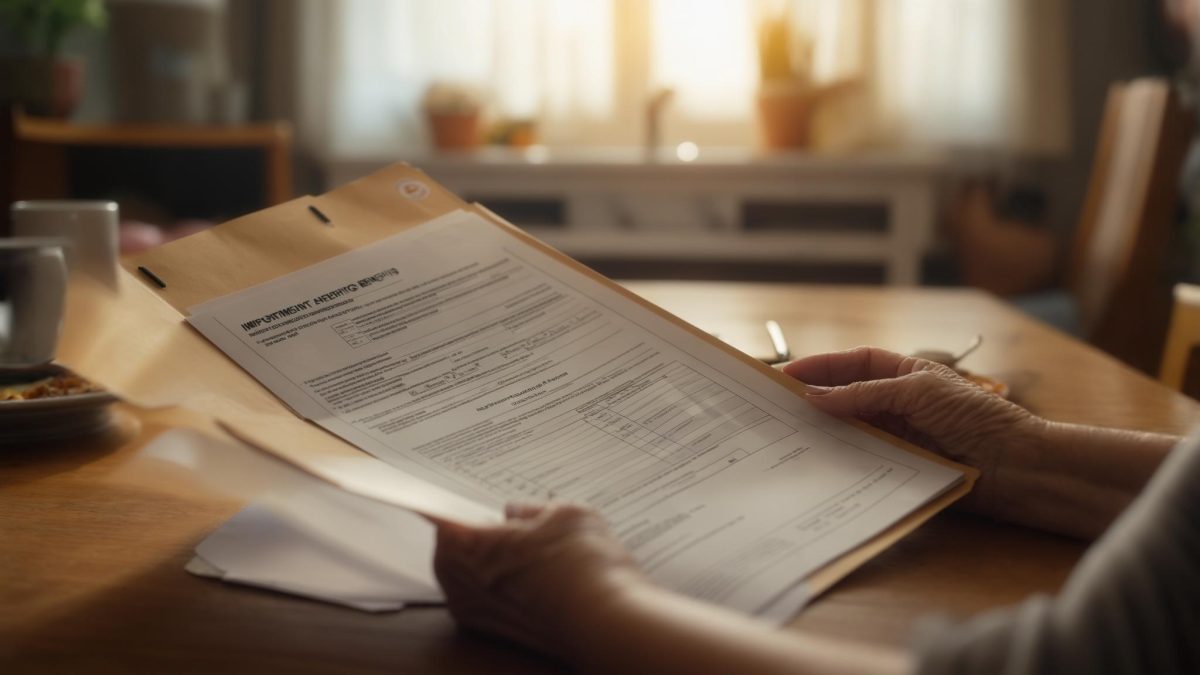
The conventional wisdom says the hardest part of getting government assistance is the paperwork. That’s wrong. The hardest part is figuring out which programs you even qualify for in the first place — and most people never get past that first wall.
I spent three months convinced I didn’t qualify for anything. I was working part-time, living alone, and making just enough to feel like I was “too rich” for help. I was wrong by more than $800 a month. This guide is built on what I learned the hard way — and what benefits counselors quietly teach their clients from day one.
The Problem: You Don’t Know What You Don’t Know
Most people approach government benefits the way they approach a job application — they look for something that sounds like it was made for them, get discouraged when the language is confusing, and give up. That approach guarantees you’ll miss programs you genuinely need.
Federal benefit programs are not designed to recruit participants. They are designed to process applicants. There is no outreach department sending you a letter that says, “Hey, you qualify for $500 in food assistance.” The burden of discovery is entirely on you.
The result is what policy researchers call the “participation gap” — the space between who is eligible and who actually enrolls. According to USDA’s SNAP program data, participation rates hover around 82% of eligible households in good economic years and drop significantly during periods when households are transitioning between income levels.
What You Need Before You Start
Before contacting any agency or filling out a single form, gather your documentation. Missing one document is the single most common reason applications are delayed or denied at the initial review stage.
Having everything organized before you start also puts you in a stronger position during interviews — caseworkers move faster when you hand them a complete file rather than promising to send something later.
- Proof of identity: Government-issued photo ID, passport, or birth certificate
- Proof of residency: Current utility bill, lease agreement, or recent mail with your address
- Proof of income: Last 30 days of pay stubs, most recent tax return, or a letter from your employer. If self-employed, bank statements from the last 3 months.
- Social Security numbers: For yourself and any household members included in the application
- Bank account information: Recent statements for all checking and savings accounts
- Expense documentation: Rent receipts, utility bills, childcare costs, and medical expenses — these can directly increase your benefit amount
- Immigration documents (if applicable): Permanent resident card or work authorization documentation
Step-by-Step: How to Find and Apply for Every Benefit You Qualify For
This is not a passive process. Each step below requires a concrete action. Work through them in order — later steps build on earlier ones.
Pro Tips That Caseworkers Won’t Volunteer
These are not secrets — they are just things caseworkers rarely have time to explain proactively. Knowing them changes your outcome.
Report your deductions, not just your income. SNAP calculates benefits based on net income, not gross income. Allowable deductions include rent, utilities, childcare, medical expenses for seniors and disabled individuals, and a standard earned income deduction of 20%. A household earning $2,500 gross per month but paying $1,100 in rent may have a net income well below the eligibility threshold after deductions are applied.
Same-day applications matter for expedited SNAP. If your household has less than $150 in monthly income and less than $100 in liquid resources, or your combined income and liquid resources are less than your monthly rent and utilities, you qualify for expedited SNAP — meaning benefits within 7 days. You must specifically ask your caseworker to flag your application for expedited processing.
Never miss an interview appointment without rescheduling first. Missing a scheduled eligibility interview without rescheduling causes your application to be denied — not paused, denied. You then have to reapply from scratch. If you can’t make an appointment, call the agency the morning of and reschedule before the window closes.
Appeal denials within 90 days. Every denial letter contains instructions for requesting a fair hearing. A significant percentage of initial denials are overturned on appeal — often because of data entry errors or incorrectly applied income calculations. You do not need a lawyer to file an appeal.
Common Mistakes That Kill Applications
These are the patterns that appear again and again in denied applications. Each one is avoidable.
One additional mistake deserves its own callout: failing to report changes in your household situation. If your income drops, your household size increases, or you move, you are generally required to report this within 10 to 30 days depending on your state and program. Reporting a change that reduces your income can increase your benefit amount — sometimes significantly.
How to Track Everything After You Apply
Applying is only half the job. Benefits applications can take 7 to 90 days depending on program and state. During that window, things fall through cracks — missing documents, failed fax transmissions, and system errors are routine.
Create a simple paper or digital log for each application. Record the date you applied, the name of the caseworker you spoke with, the case number, the date your interview is scheduled, and the documents you submitted. Follow up by phone if you haven’t heard anything within 15 days of the stated processing window.
Related: When Overtime Vanished and Rent Jumped $380 a Month, One Restaurant Manager Found Help She Didn’t Know Existed
Related: I Qualified for Three Relief Programs at Once — Here’s Which One Actually Paid More
- Keep copies of every document you submit — do not send originals
- If submitting by mail, use certified mail with return receipt
- Ask for a receipt or confirmation number when submitting in person or online
- Write down the name of every caseworker you speak with and the date of the conversation
- Set a calendar reminder for your recertification date the day you are approved




Leave a Reply