
The Sacramento housing market moved fast in the fall of 2025. Faster, at least, than the government programs designed to keep pace with it. When I first met Patricia Okonkwo, she was sitting in the plastic-chair waiting room of a Social Security Administration field office on Howe Avenue, filling out paperwork on behalf of her 71-year-old mother, Ngozi. I was there on an unrelated assignment — reporting on processing delays in SSI claims — but something about Patricia’s stillness caught my attention. She wasn’t anxious, the way most people in that room were. She was just tired.
We ended up talking for nearly forty minutes after her number was called and returned. By the time we exchanged contact information, I knew I wanted to report her story.
A Lease Renewal That Changed Everything
Patricia, 36, has taught yoga at two Sacramento studios since 2019. She described her financial life to me as a moving target — some months she clears $5,600, others closer to $3,900, depending on class schedules, cancellations, and whether her clients are traveling. She is also the primary caregiver for her mother, Ngozi, whose fixed Social Security income of $1,340 per month contributes to their shared household but doesn’t stretch far.
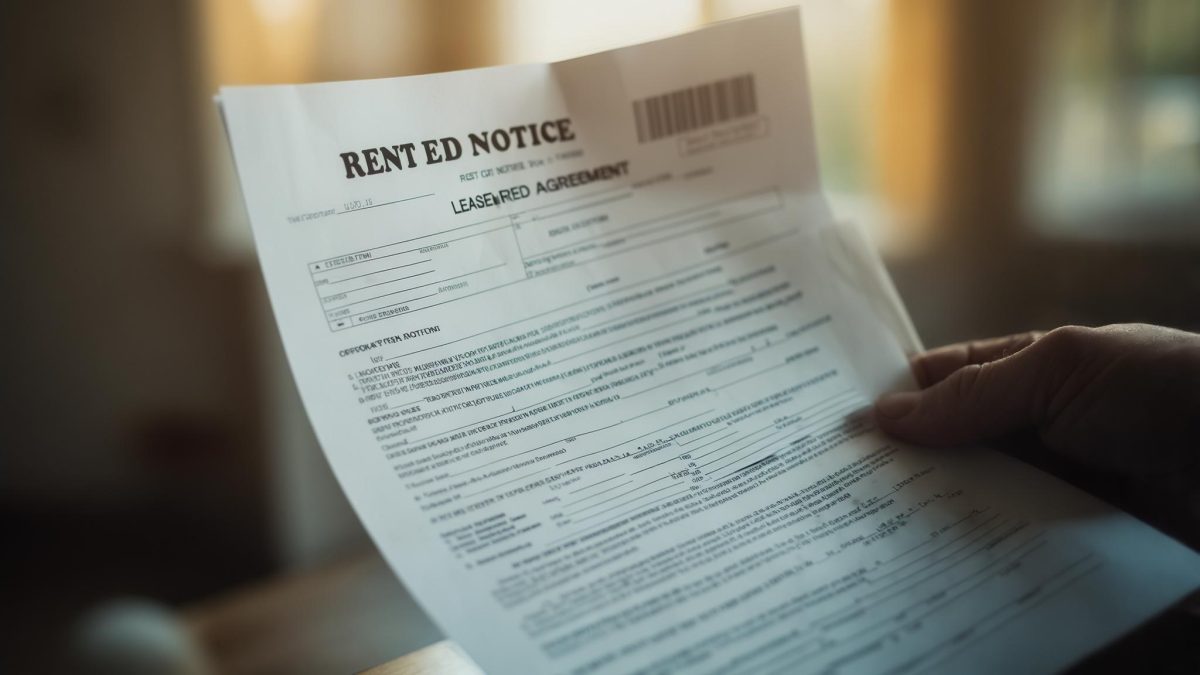
In September 2025, her landlord sent a lease renewal notice for her two-bedroom apartment in the Midtown area. The new monthly rent: $2,431. Her previous rent had been $1,870 for three years. That single document represented a $6,732 annual increase.
“I sat with that letter for about three days before I did anything,” Patricia told me when we met for coffee in February 2026. “I kept thinking I had missed something. Like maybe I could renegotiate it. Then I realized — no, this is just what it is now.”
She did not panic. That much was clear from the way she described it. But she began quietly mapping out what her options were, and that map led her to the Sacramento Housing and Redevelopment Agency’s website, the HUD rental assistance program pages, and eventually, to an application for a Housing Choice Voucher — commonly known as Section 8.
The Application: Where Income and Eligibility Collide
Patricia submitted her Housing Choice Voucher application in November 2025. She had done her research. She knew Sacramento County’s Area Median Income for 2025 was calculated at approximately $102,400 for a household of two, and that the low-income threshold — 80% of AMI — sat around $81,920. With her income averaging roughly $54,000 annually and her mother’s Social Security adding $16,080, their combined household income of approximately $70,000 placed them within eligibility range on paper.
But the application process surfaced complications she hadn’t anticipated. According to HUD’s guidance on calculating annual income for housing assistance purposes, irregular self-employment income must be averaged and documented across multiple periods. Patricia’s yoga income — paid through a mix of studio contracts, direct client payments, and occasional substitute teaching — required documentation she hadn’t assembled in that form before.
She spent six weeks gathering documentation. Two studios required written letters confirming her contractor status. One didn’t respond for three weeks. “There was a moment where I thought — I’m a yoga teacher, not an accountant,” she said, with the kind of dry humor that surfaces when exhaustion has settled in long enough to become livable. “But I kept going because I didn’t have another option that made sense.”
The Denial — and What Came Next
Patricia received her denial letter in January 2026. The stated reason: her household income, as calculated by the agency over a forward-looking 12-month projection, slightly exceeded the very low-income threshold of 50% AMI required for priority placement on Sacramento’s waitlist. The projection had annualized her income during a stronger-than-average stretch of fall studio bookings.
She was not disqualified entirely from the voucher program’s broader waitlist, but she was moved to a lower priority tier — one with an estimated wait time of four to six years.
A housing caseworker she spoke with by phone suggested she request an informal review hearing to contest the income calculation method. According to Root and Rebound’s housing appeals guide, requesting a review hearing is one of the most substantive avenues available to applicants challenging a denial or adverse determination in government-assisted housing programs. Patricia filed her request for an informal review on January 28, 2026.
The Hearing — A Partial Win With a Long Road Ahead
Patricia’s informal review hearing was scheduled for March 11, 2026. She brought printed bank statements for all of 2024 and 2025, copies of her 1099 forms, a written explanation of her caregiving costs — roughly $920 per month in additional expenses for her mother’s prescriptions, co-pays, and transportation — and a letter from one of her studios confirming that her fall schedule was above her annual average.
The reviewing officer recalculated her income using a full 24-month average rather than the forward-looking projection. Under that method, her household income came to approximately $68,400 — below the very low-income threshold and qualifying her for priority tier placement on the waitlist.
“That was the first time in about five months that something actually went the right way,” Patricia told me by phone two days after the hearing. “I’m still on a waitlist. I don’t have a voucher. But at least I’m in the right line now.”
The waitlist Patricia now sits on is not short. Sacramento’s Housing Choice Voucher program, like most large urban public housing agencies, operates with significant backlogs. She is not receiving a voucher soon. She is paying $2,431 a month in rent, managing her mother’s care, and teaching classes six days a week. The hearing was a procedural success. The underlying problem remains unchanged.
What Patricia’s Story Reflects About the System
Patricia Okonkwo is not a person most people picture when they think of housing assistance applicants. She earns a middle-class income in a good year. She doesn’t describe herself as struggling in dramatic terms. But her story sits in a gap that is increasingly common: renters whose incomes appear stable on paper but are too volatile and too stretched to absorb sudden market-rate increases, particularly when caregiving responsibilities are factored in.
The appeal process she navigated — and the partial outcome she achieved — illustrates something that advocates note repeatedly: many housing assistance denials are not final. According to Root and Rebound’s housing rights resources, applicants who request review hearings and present documentation have a meaningful opportunity to contest eligibility determinations, particularly when income was miscalculated or mischaracterized during the initial review.
Her situation also raises questions about how housing programs handle caregiving-related expenses. The $920 per month she spends on her mother’s care is a real cost — one that effectively reduces her disposable income — but it is not automatically deducted from income calculations in all housing assistance frameworks. Some programs do allow deductions for elderly or disabled household members’ out-of-pocket medical and care expenses; others do not, or apply them inconsistently. Patricia’s advocate at the hearing raised this point, though it was not ultimately dispositive in her case.
When I asked her what she wished she had known before starting the process, she didn’t hesitate. “That the first answer isn’t necessarily the last answer. That the paperwork matters — every piece of it. And that the system isn’t built for people whose income moves around. You have to be your own translator.”
As of early April 2026, Patricia remains on the priority waitlist. She has not been assigned a voucher. She signed a month-to-month extension with her landlord at the $2,431 rate while she waits. She continues to teach yoga and care for her mother. She is not bitter about any of it. She is just, still, tired.
Patricia Okonkwo’s name is used with her permission. Income figures are approximated from documents she shared during our reporting. This article does not constitute financial or legal advice.
Related: She Lost $11,000 in Overtime and Her Rent Rose 30% — Then She Found Out Her Health Plan Was the Real Problem
Related: A Retired Postal Worker Was Counting on a $2,800 Refund to Stay Afloat — Then the IRS Froze It
.pvv-faq-section details summary::-webkit-details-marker{display:none}.pvv-faq-section details summary::marker{display:none;content:””}.pvv-faq-section details[open] summary .pvv-faq-arrow{transform:rotate(90deg)}




Leave a Reply