
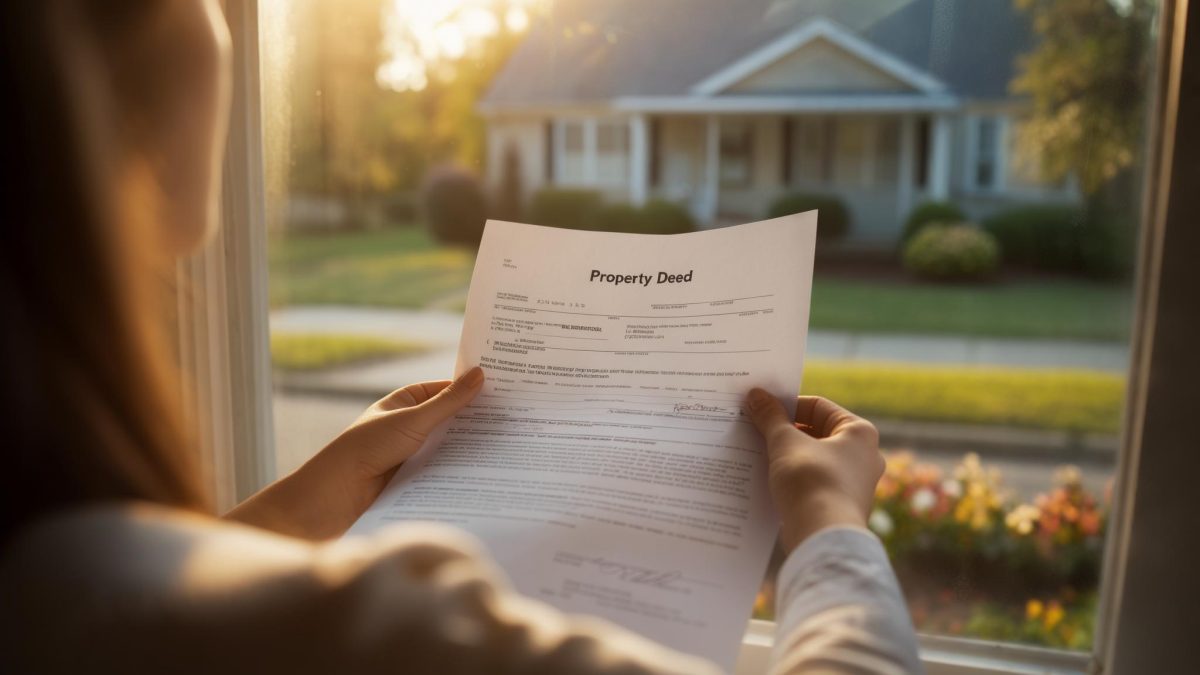
The first thing Grace Tran told me when we got on the phone was that she almost didn’t respond to my post at all. “I saw your call-out on Instagram and I sat on it for two weeks,” she said. “I don’t really trust people who ask about money.” That wariness, I would come to learn, was not paranoia — it was earned.
Grace is 26, a flight attendant based out of Little Rock, Arkansas. She owns a small three-bedroom house she bought in March 2023, just weeks before her divorce was finalized. By February 2025, she owed $2,840 in delinquent property taxes, was sending roughly $400 a month to her parents in Houston, and was fielding notices from the Pulaski County Tax Collector’s office she had stopped opening.
How a Flight Attendant Ends Up Behind on Property Taxes
The answer, as Grace explained it to me when we finally connected over video call in late March 2026, is not dramatic. There was no single catastrophe. It was the slow arithmetic of a life that had been split in half.
Grace and her ex-husband, Marcus, had bought the house together under the assumption they would share the bills. His name came off the deed as part of the divorce settlement in April 2023. The mortgage stayed manageable — she had refinanced before rates climbed — but the property tax bill, which had been quietly building, landed entirely in her name.
“I was making decent money,” Grace told me. “But I was also sending my parents $400 every month because my dad had surgery and couldn’t work. That was just a fact of my life. I wasn’t going to stop doing that.” The remittances were not optional in her mind — they were a family obligation she had agreed to before she ever bought the house.
Arkansas property taxes are billed annually, and Pulaski County’s due date falls in October. Grace missed the October 2023 payment entirely — around $1,340 for her assessed property — and paid only a partial amount in October 2024. Penalties and interest under Arkansas’s property tax code added an additional $220 to her tab by early 2025, bringing the total delinquency to $2,840.
The Notices She Stopped Opening
Grace described a specific moment that she still thinks about. In January 2025, she was in the Dallas airport on a three-hour layover when she got a text from a neighbor saying a notice had been taped to her front door. She pulled up her banking app, saw her checking account balance — $312 — and put her phone face-down on the seat next to her.
That pattern — avoidance driven by shame, not ignorance — is something housing counselors and advocates describe repeatedly. The notices kept coming. Grace kept not opening them. By the time she finally sat down with the paperwork in March 2025, the county had already placed her property on a preliminary delinquency list.
What Arkansas Property Tax Relief Actually Looks Like
When Grace finally called the Pulaski County Tax Collector’s office, she expected hostility. What she got instead, she told me, was a clerk who walked her through two options she had never heard of.
The first was the Arkansas Homestead Property Tax Credit, a $375 annual credit available to homeowners who use the property as their primary residence. Grace had never applied for it, even though she had been eligible since 2023. Had she applied when she first moved in, she would have received $750 in credits over two years — money that would not have erased her debt, but would have reduced it.
The second was a county payment plan. Pulaski County offers structured installment agreements for delinquent taxpayers, allowing balances to be paid over 12 months without the property advancing to a tax sale, provided the homeowner stays current on new taxes during the repayment period.
The Part She Regrets
When I asked Grace what she wished she had done differently, she did not hesitate. “I should have asked questions the moment I took Marcus off the deed,” she said. “I just assumed I knew what my bills were. I didn’t even know the homestead credit existed.”
That credit — $375 per year under Arkansas law — had been sitting unclaimed since she moved in. Over two tax years, it represented $750 she left on the table. The application itself, she told me, took about fifteen minutes online through the Pulaski County Assessor’s office.
Grace was also candid about something else: she had looked into HUD-approved housing counseling services in Little Rock — free services available through agencies listed on HUD’s housing counselor locator — and had not followed through. “Someone online told me those counselors just try to get your information,” she said, echoing the institutional skepticism that has defined her relationship with financial systems. “I know that’s probably not true, but I was scared.”
Where Things Stand Now
When I spoke with Grace in late March 2026, she was eight months into her payment plan. Her remaining delinquent balance sat at roughly $820 — down from $2,465 after the Homestead Credit was applied. She had made every monthly payment on time and had paid her 2025 property taxes in full in October.
She is still sending $400 a month to her parents in Houston. Her father’s recovery is ongoing, and she said she does not expect that to change soon. What has changed is that she now knows what bills are coming and when. She set a calendar reminder for August — two months before her next annual tax bill — to confirm her Homestead Credit application is on file.
“I’m not out of it yet,” she told me plainly, near the end of our conversation. “But I can see the end of it. That’s new.”
There was no triumphant resolution in Grace’s story, no dramatic reversal of fortune. She found a payment plan that most homeowners in her position have access to and did not know existed. She applied for a credit that had been available to her for two years. The system did not rescue her — it just stopped advancing on her long enough for her to catch up. That distinction mattered to her, and it struck me as honest.
What stays with me from reporting Grace’s story is how much the avoidance cost her — not just the $750 in unclaimed credits, but the months of compounding anxiety that came from not opening envelopes. The tools were there. The trust was not. That gap, in my experience covering housing programs, is where most people actually get lost.
Related: He Fell Off a Scaffold and His Workers’ Comp Was Denied — Now He’s Falling Behind on Property Taxes Too
Related: A Tucson Plumber Was $4,200 Behind on Property Taxes. A Pastor’s Referral Led Him to Relief He Almost Missed




Leave a Reply