
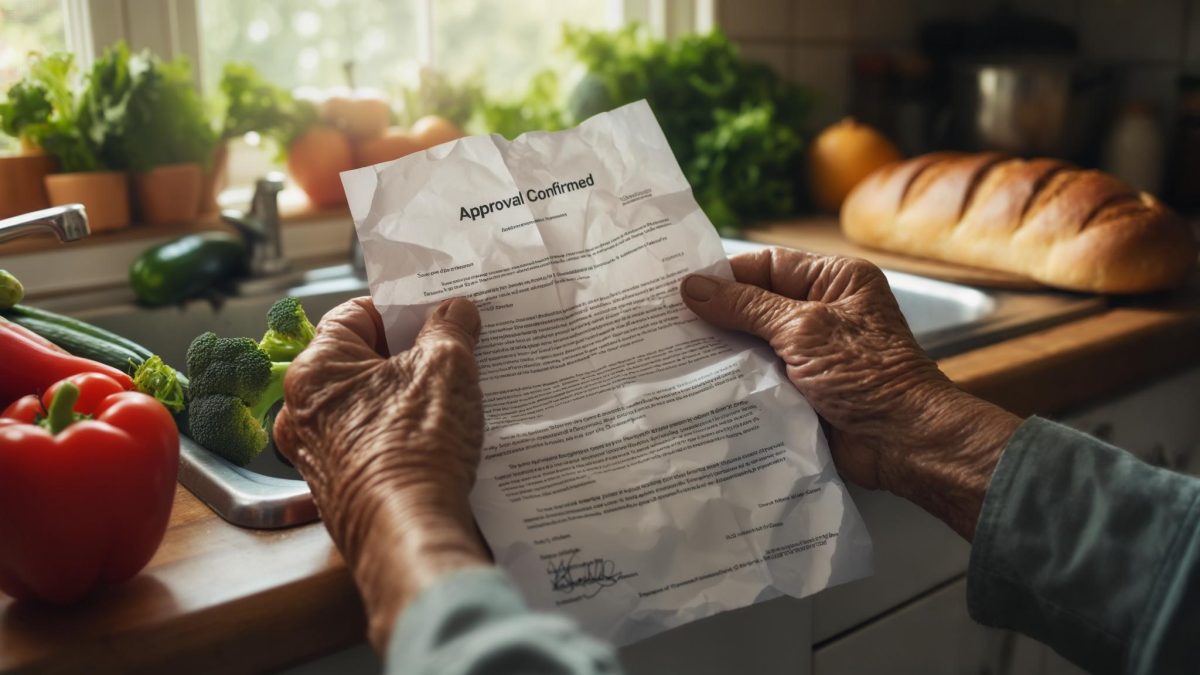
Maria, a single mother of two in Albuquerque, submitted her SNAP application three separate times over eight months. Each time, the state agency sent back the same form letter: denied due to excess income. She wasn’t over the limit. Her caseworker had been counting her child support payments as unearned income twice — once as received, once as a household contribution. One corrected pay stub and a written clarification later, her benefits were approved within 11 days.
Her story is not unusual. According to USDA Food and Nutrition Service quality control data, income reporting errors are the leading cause of incorrect SNAP eligibility determinations nationwide. The problem isn’t usually the applicant — it’s a mismatch between how income is reported and how state agencies calculate it.
The Problem: Why Eligible Households Keep Getting Rejected
SNAP eligibility hinges on two income tests: a gross income test and a net income test. Most applicants know about the gross test — your total household income before deductions. Far fewer understand that the net income test, which applies to most households, allows significant deductions that can dramatically lower your counted income.
State agencies process thousands of applications weekly, and caseworkers sometimes skip or misapply deductions — particularly for shelter costs, dependent care, and medical expenses for elderly or disabled household members. When these deductions aren’t applied, income looks higher than it legally should be, and the application gets denied.
There’s also a documentation timing problem. Many applicants submit applications before they have all supporting documents in hand. A missing rent receipt or an unsigned employer letter can stall an application for 30 days or more — sometimes long enough for the applicant to give up entirely.
What You Need Before You Apply
Gathering documents before you open the application portal is the single most effective way to avoid denial. State agencies typically have a 30-day window to process applications, but incomplete submissions can pause that clock. Having everything ready lets the interview move faster and reduces follow-up requests.
- Proof of identity — driver’s license, state ID, passport, or birth certificate
- Proof of residency — a utility bill, lease agreement, or official mail dated within the last 60 days
- Proof of income — last 30 days of pay stubs, employer letter, or benefit award letters (Social Security, unemployment, child support)
- Proof of expenses — rent/mortgage statements, utility bills, child care invoices, and medical expense receipts if anyone in the household is elderly or disabled
- Social Security numbers — for all household members who are applying (non-citizens applying for other household members do not need to provide their own SSN)
- Bank account information — recent statements showing current balances (for resource testing, which applies to some households)
Step-by-Step: How to Apply and Avoid the Common Rejection Traps
The application process itself has several stages, and each one has a specific failure point that trips up applicants. Working through them in order — and knowing what to watch for — makes the difference between an approval and another denial letter.
How the Income Calculation Actually Works — and Where It Goes Wrong
Understanding the net income calculation is the core skill that separates successful applicants from repeat denials. The federal SNAP formula is specific: gross income minus allowable deductions equals net income, and net income must fall at or below 100% of the federal poverty level for your household size.
The most commonly missed deduction is the shelter cost deduction. If your rent plus utilities exceeds 50% of your net income after other deductions, the excess is subtracted from your countable income. For households in high-rent areas, this single deduction can shift a denial into an approval.
Pro Tips From Successful Applicants and Advocates
These strategies come directly from applicants who navigated multiple denials before approval, and from legal aid attorneys who help low-income clients with SNAP appeals.
- Request a manual calculation in writing. If you believe your income was calculated incorrectly, you can ask the state agency to provide a written breakdown of how they calculated your net income. They are required to provide this. Compare it line by line against the federal deduction schedule.
- File a fair hearing request immediately after denial. You have 90 days from the denial notice to request a fair hearing in most states. Filing the request does not forfeit your right to reapply — you can do both simultaneously. If you were receiving benefits before the denial, requesting a hearing within 10 days often allows benefits to continue during the appeals process.
- Contact a local legal aid organization. Organizations like LawHelp.org can connect you with free legal representation for SNAP appeals. Represented applicants win fair hearings at significantly higher rates than unrepresented ones.
- Document every interaction. Keep a log with dates, names of caseworkers, and what was discussed in every phone call. If a caseworker gives you incorrect information verbally and you follow it, that record can support your appeal.
- Check for categorical eligibility. If any household member receives SSI or TANF, your household may be automatically eligible for SNAP without going through the standard income tests. This is called categorical eligibility, and it bypasses the gross income test entirely in many states.
Common Mistakes That Cause Denials — and How to Fix Them
Most SNAP denials are fixable. The key is identifying the specific reason on the denial notice and responding to that reason precisely — not submitting a general reapplication with the same information.
- Mistake: Reporting gross income without listing deductions. Fix: Resubmit with a completed expense worksheet showing all allowable deductions, with documentation for each.
- Mistake: Missing the document submission deadline. Fix: Contact the agency within 24 hours if you missed it, explain the reason, and request a brief extension. Some states allow this informally. If not, reapply immediately — your new application date will be the delay, not a new denial.
- Mistake: Not listing all household members correctly. Fix: Understand that “household” for SNAP purposes means people who buy and prepare food together, not everyone who lives in the residence. A boarder who buys their own food is not a household member.
- Mistake: Reporting a lump sum payment as regular monthly income. Fix: Document the one-time nature of the payment in writing. A tax refund, insurance settlement, or inheritance is treated differently from wages — clarify this with a written statement and any supporting documents.
- Mistake: Failing to report self-employment income correctly. Fix: Self-employment income is calculated as gross income minus business expenses, not total revenue. Provide a profit and loss statement or Schedule C from your most recent tax return.
If you are approved, verify the benefit amount before your first EBT card arrives. Benefits are loaded to your Electronic Benefits Transfer card by the 15th of the month in most states. Your eligibility must be recertified periodically — typically every 6 to 12 months — and missing a recertification deadline will terminate benefits until you reapply.
Related: A UPS Driver’s Side Hustle Was Growing Until Tax Season Revealed the Real Cost




Leave a Reply